
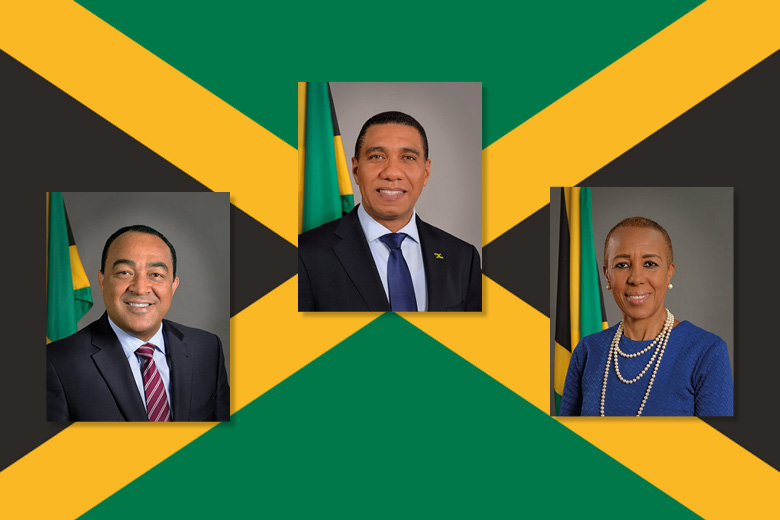
HCC CONGRATULATORY OPEN LETTER:
The Healthy Caribbean Coalition (HCC) joins with partners the Heart Foundation of Jamaica (HFJ), Jamaica Youth Advocacy Network (JYAN), and the Jamaica Coalition for Tobacco Control (JCTC)
to Applaud the Government of Jamaica on the
INTRODUCTION OF SPECIAL CONSUMPTION TAXES ON SUGAR-SWEETENED BEVERAGES, ALCOHOL AND TOBACCO
Dr The Most Honourable Andrew Holness, Prime Minister of Jamaica
AND
Dr The Honourable Christopher Tufton, Minister of Health and Wellness
AND
The Honourable Fayval Williams, Minister of Finance and the Public Service
26 February, 2026
Dear Dr The Most Honourable Andrew Holness, Dr The Honourable Christopher Tufton and The Honourable Fayval Williams,
The Healthy Caribbean Coalition (HCC), long-standing partners in advancing public health through-out the Caribbean, and partners, the Heart Foundation of Jamaica (HFJ), Jamaica Youth Advocacy Network (JYAN), and Jamaica Coalition for Tobacco Control (JCTC), I wish to extend warm congratulations to you, the Government, and people of Jamaica on the introduction of a comprehensive Special Consumption Tax (SCT) on sugar-sweetened beverages (SSBs), as well as increased SCT on alcohol and tobacco products. This pioneering policy effort — announced as part of the 2026-2027 fiscal measures — marks a significant milestone in Caribbean public health policy and reflects bold leadership in confronting non-communicable diseases (NCDs) that continue to burden Caribbean communities.
With the introduction of the SCT on non-alcoholic sweetened beverages, Jamaica joins other Caribbean countries including Barbados, Bermuda, Dominica and Grenada which have implemented fiscal measures aimed at curbing consumption of sweetened beverages – one of the major sources of sugar in Caribbean diets. By levying a volumetric tax on beverages containing added sugar and caloric or non-nutritive sweeteners, Jamaica has moved decisively toward reducing refined and free sugar consumption, a key modifiable risk factor for obesity, diabetes, cancers, cardiovascular disease and other diet-related conditions. The Government’s framing of this measure not solely as a revenue mechanism, but as an instrument to advance national public health objectives, is both forward-looking and aligned with global best practice.
We also commend the increase in the SCT on pure alcohol and the adjustment of excise duties on cigarettes, which together strengthen Jamaica’s broader portfolio of fiscal policies aimed at reducing harmful consumption and promoting healthier lifestyles for everyone. The tax on alcohol represents a best practice design as it directly targets pure alcohol. Jamaica is the only country in the region that applies a SCT on litres of pure alcohol across all types of alcohol at the same rate. These evidence-informed measures, recommended by the World Health Organization (WHO) and the Pan American Health Organization (PAHO), have been demonstrated to reduce demand for products that are major contributors to NCDs.
In addition to their public health impact, these tax reforms stand as a testament to Jamaica’s commitment to evidence-informed policy and fiscal innovation in response to the dual challenges of health and economic resilience. As Jamaica continues to address the pervasive and costly impacts of obesity, diabetes, cardiovascular diseases and cancers, such measures not only support demand-side behaviour change but also generate much-needed public resources that can be channeled back into comprehensive health promotion and disease prevention efforts. We trust that the government, as you seek to refine the measures surrounding the public health taxes over time, will follow best-practice in raising the tax brackets, including local context, available scientific evidence and regional and global recommendations.
We recognise the tremendous role played by civil society actors in Jamaica such as the HFJ, JYAN and the JCTC, in building strong, sustained public support for these policies through extensive grass-roots multi-channel campaigns in partnership with the Ministry of Health and Wellness and other key national and regional partners.
Once again, please accept our sincere congratulations on this landmark policy achievement. The Government of Jamaica’s courage in adopting these measures — rooted in both fiscal necessity and public health opportunity — stands to benefit both current and future generations of Jamaicans and reinforces Jamaica’s role as a leader in public health policy across the Caribbean region.
We look forward to continued collaboration and dialogue as Jamaica builds on these reforms to promote healthier, more equitable and more prosperous societies.
The President and Board of Directors of the HCC
The Executive Director of the Heart Foundation of Jamaica
The Executive Director of the Jamaica Youth Advocacy Network