

HCC OPEN LETTER: The Healthy Caribbean Coalition (HCC) and Trinidad and Tobago Non-Communicable Disease Alliance (TTNCDA) Applaud the Government of the Republic of Trinidad and Tobago on the Updated Schools Nutrition Policy
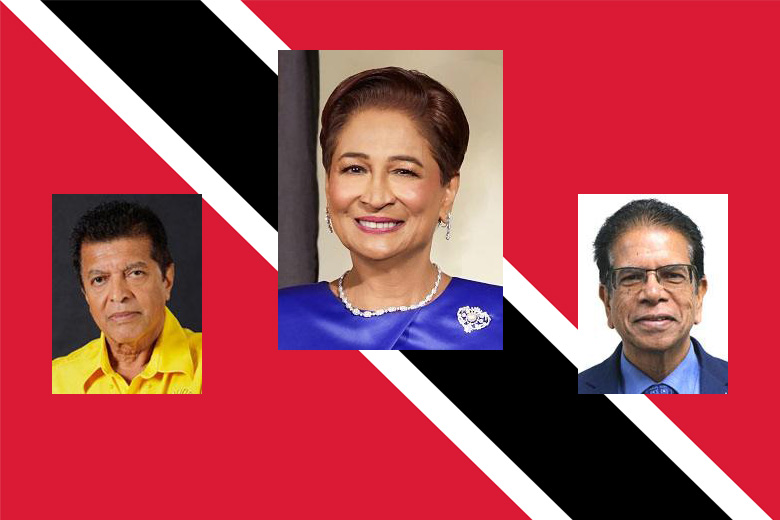
The Honourable Kamla Persad-Bissessar, Prime Minister of the Republic of Trinidad and Tobago
And
The Honourable Dr. Lackram Bodoe, Minister of Health
And
The Honourable Dr. Michael Dowlath, Minister of Education
15 January 2026
Dear The Honourable Kamla Persad-Bissessar, The Honourable Dr. Lackram Bodoe and The Honourable Dr. Michael Dowlath,
The Healthy Caribbean Coalition (HCC) and the Trinidad and Tobago Non-Communicable Disease Alliance (TT NCDA), applaud the Government of the Republic of Trinidad and Tobago for the bold steps taken and included in the updated Schools Nutrition Policy, launched on January 9th, 2026.
This policy builds on the 2017 ban of sugary drinks, such that only water, 100% fruit juices, low fat milk and blended vegetables or fruit drinks with no added sugars and/or artificial sweeteners were to be offered at all government and government assisted schools. The HCC and TT NCDA are particularly pleased to see added guidance including;
- Clear nutritional limits for pre-packaged snacks, including restrictions on calories, sugar, fat and sodium.
- Stronger standards for meals prepared or sold in schools encouraging balanced meals with fruits and vegetables, lean protein and appropriate starches, using cooking methods such as baking, grilling, steaming or boiling.
- Restrictions on the marketing and promotion of unhealthy foods and beverages within school environments.
- Monitoring and compliance mechanisms, including regular periodic evaluation, reporting and spot checks each term, by District Health and Education Officers.
The HCC and TT NCDA have also noted the inclusion of a five-point nutritional check-list for all snacks and meals sold on school grounds, including the exclusion of energy drinks and artificial sweeteners.
In 2018, the HCC and its members joined hands with Caribbean citizens to call on our Heads of Government to enact a comprehensive suite of evidence-informed PAHO/WHO policies and legislation to combat childhood overweight and obesity including school nutrition policies which ban the sale, promotion and marketing of SSBs and unhealthy foods and beverages in and around schools; marketing restrictions of unhealthy foods; front of package nutritional warning labels; fiscal policies to increase affordability of healthy foods and decrease affordability of unhealthy foods; legislation related to the International Code of Marketing of Breast-Milk Substitutes; and mandatory physical activity in all primary and secondary schools.
Senator Dr. Kenneth Connell, President of the HCC underscored, “this update is timely as childhood obesity remains a major concern for us in the Caribbean as increasing incidence of NCDs is being recognised across the region in young people. The updated policy addresses marketing of ultra-processed products (UPPs), which has been the back-bone of the driving force of the consumption of these packaged-products; and also towards the most vulnerable, our children. The HCC looks forward to the rolling-out of the policy over the upcoming school terms”.
Dr. Karen Sealey, Chair of the Trinidad and Tobago NCD Alliance, also welcomed the news, and warned that, “Childhood obesity is linked to complications in children and adolescents such as diabetes and hypertension and it tracks into adulthood increasing the risk of developing NCDs (diabetes, cancers and heart disease). More than 30% of school-aged children in Trinidad and Tobago are overweight and obese and the most recent risk factor survey highlighted that 93.3% of the population ate less than 5 servings of fruits and vegetables per day.
Trinidad and Tobago joins a growing number of Caribbean countries including Jamaica, Barbados, Belize and Bermuda which are tackling school food environments through robust measures which seek to remove UPPs and prohibit marketing. The HCC leads a dedicated Caribbean-wide network of key regional and national actors including civil society and CARICOM ministries of health and education working together to share experiences and lessons learned towards the accelerated implementation of strong school nutrition policies. As a member of this network, the experiences of Trinidad and Tobago will serve to inform and catalyse action across the region.
Once again, Caribbean civil society extends congratulations to the Government of the Republic of Trinidad and Tobago and underscores the commitment of the HCC and the TT NCD Alliance to supporting the implementation of this policy which centres the health of our children, our future.
– President of the HCC and Chair of the TTNCDA