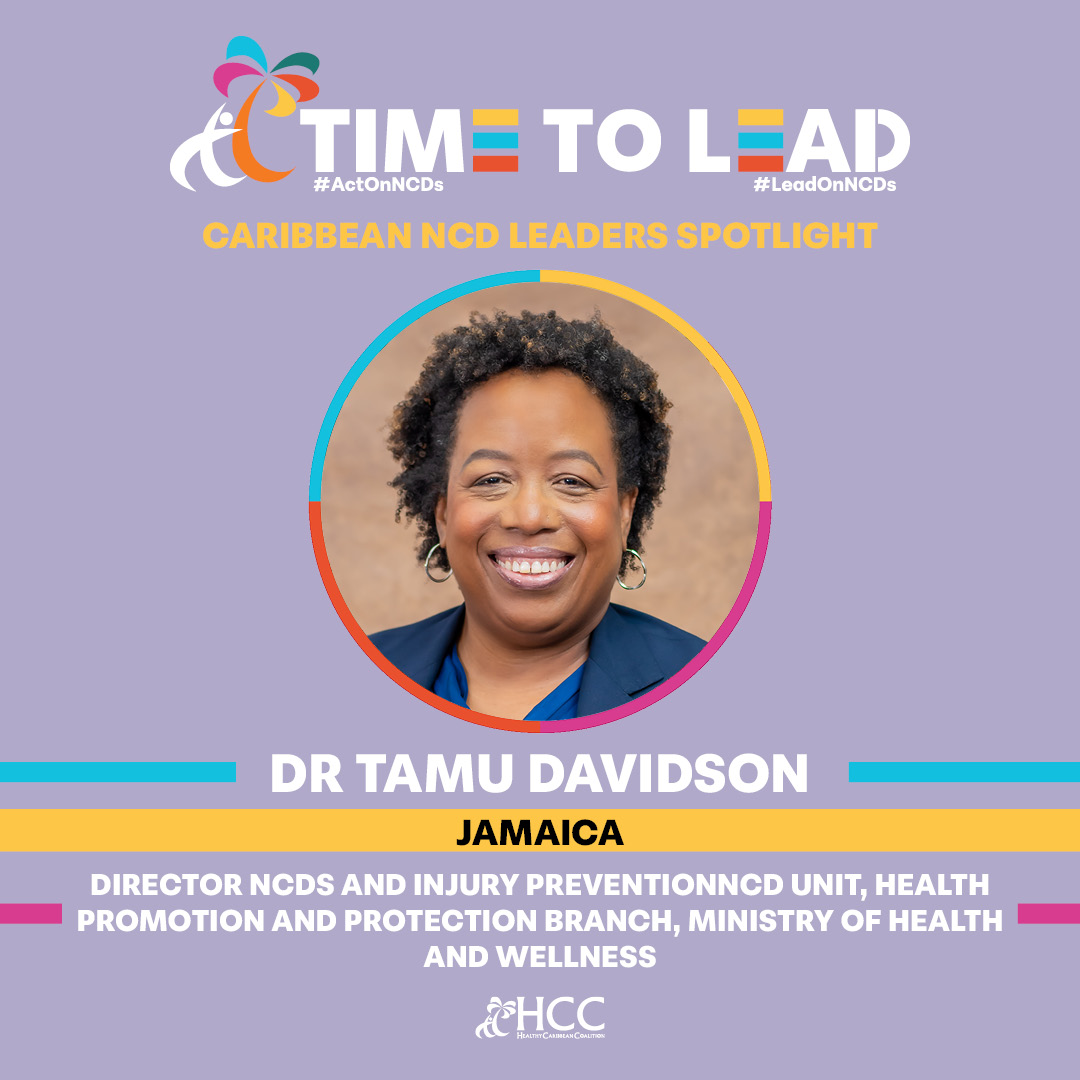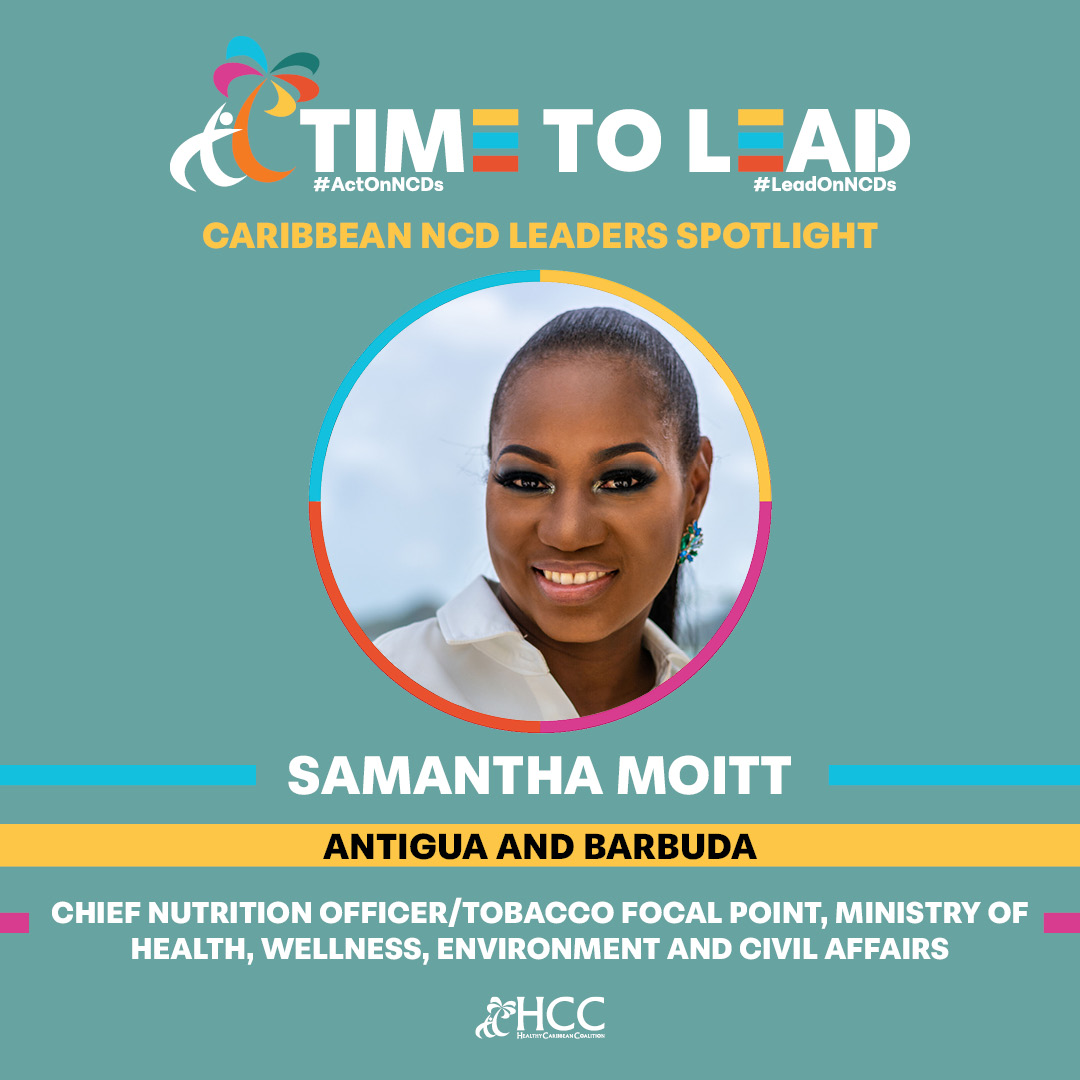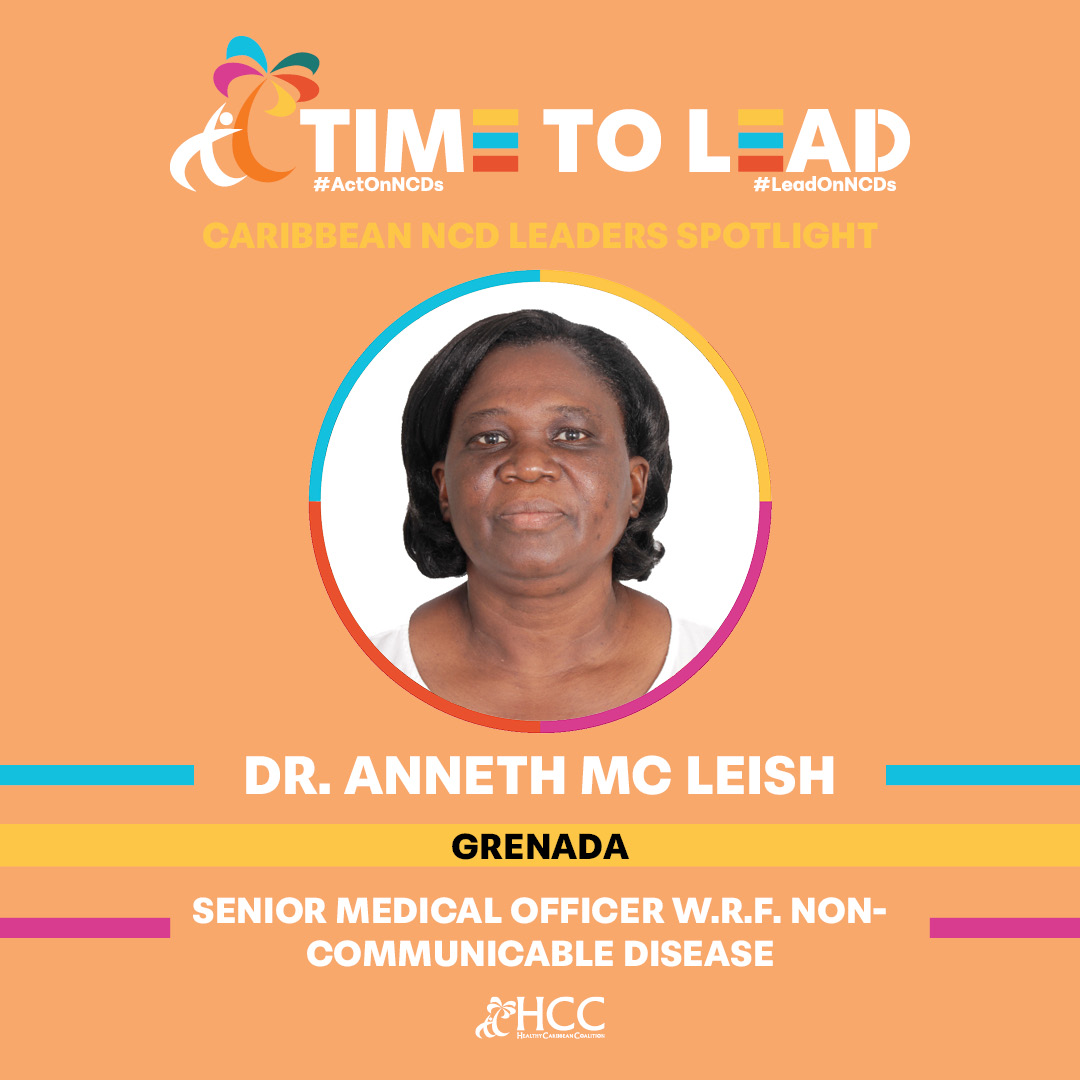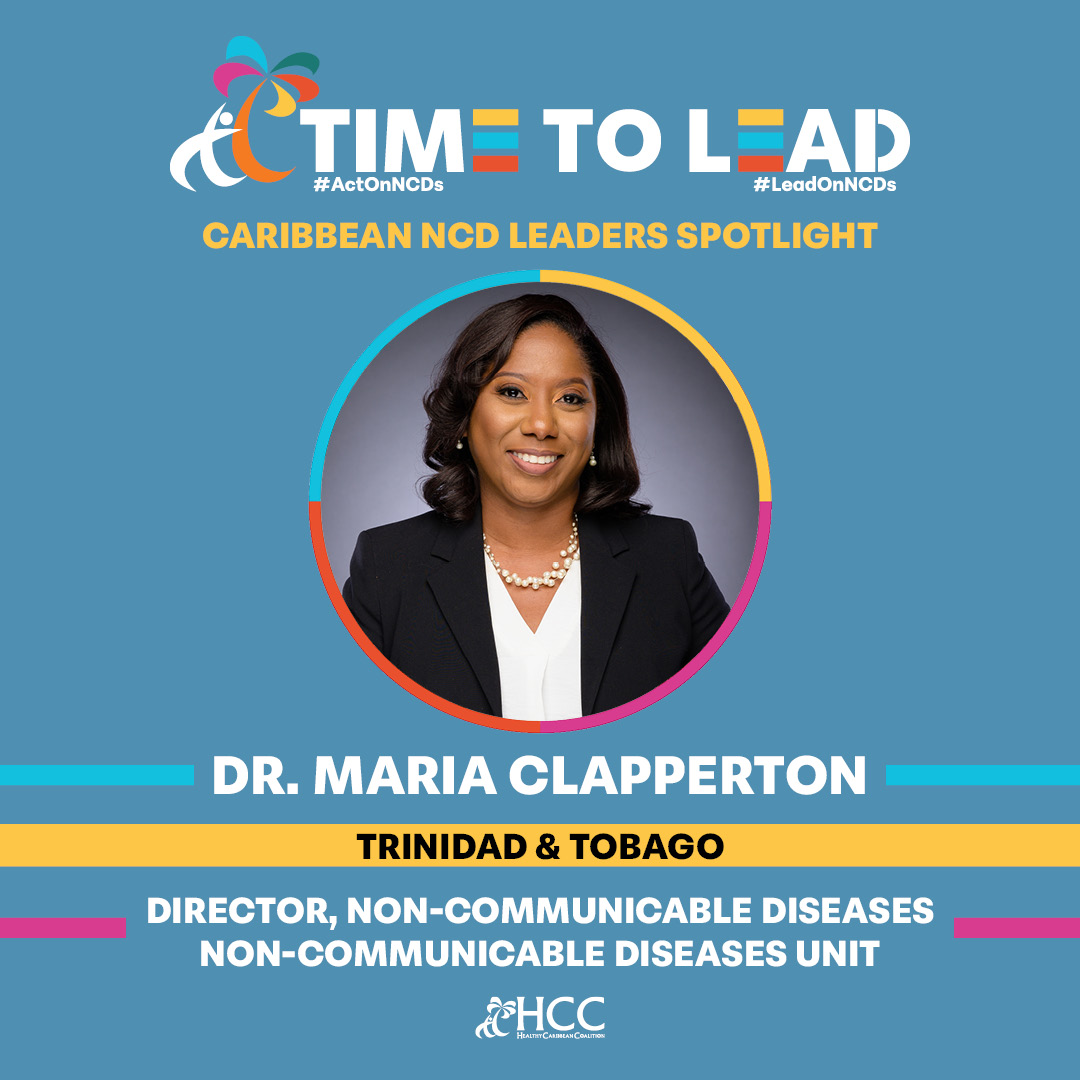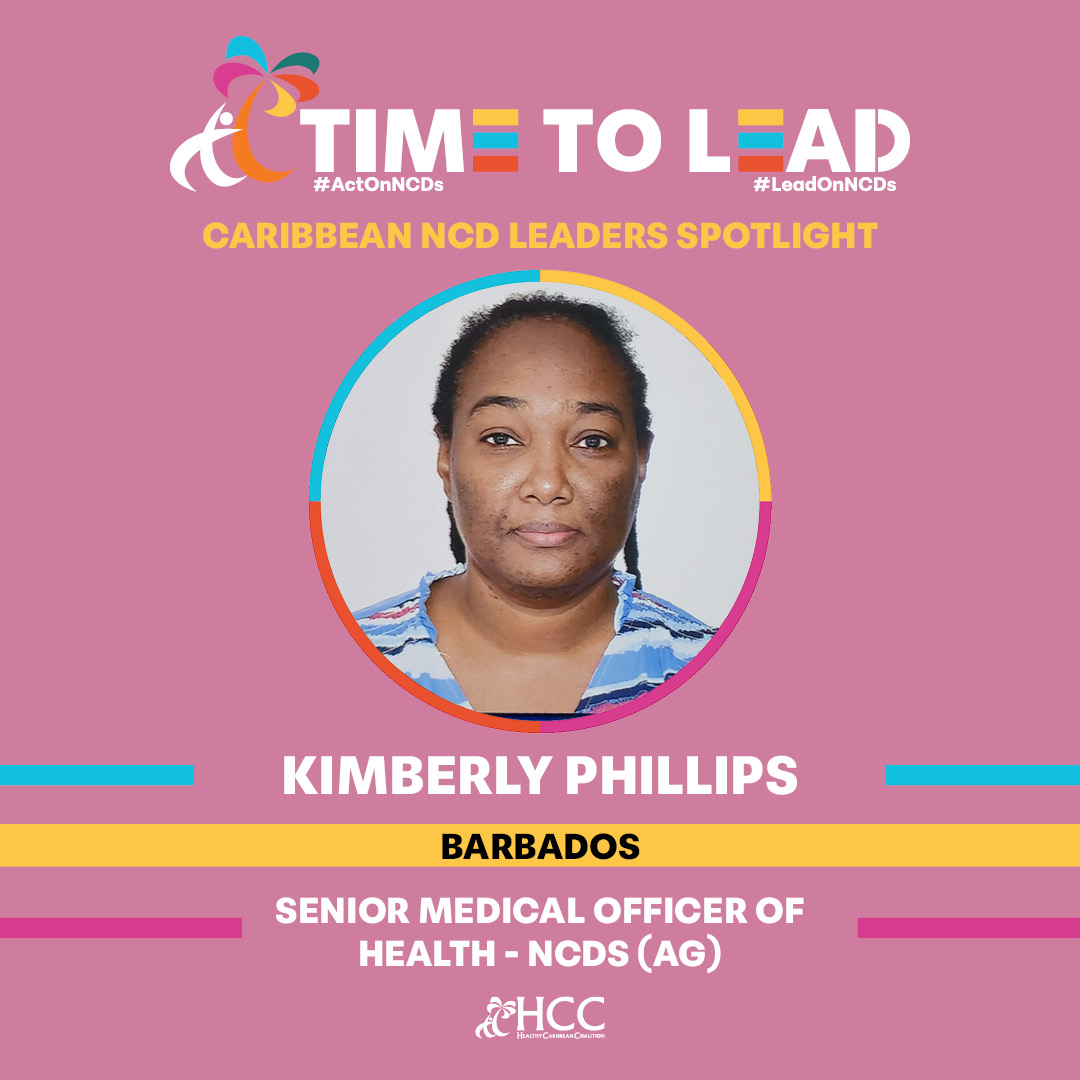

HCC will be spotlighting Caribbean NCD leaders leading up to the 4th UN High Level Meeting on NCDs (HLM4) to be held during the United Nations General Assembly in September 2025.
The HLM4 is a global milestone and stocktaking moment for the international NCD Community to pause and reflect on where we are and what needs to be done to accelerate action as we move towards achieving the 2030 SDGs.
Under the umbrella of the NCD Alliance, the global NCD civil society community will be galvanising over the next 12 months under the banner – Time to Lead. The NCDA Global Week of Action, 15-22 October 2024, will kick off this global campaign which calls on leaders worldwide to step forward and champion efforts to reduce the impact of NCDs on communities.
Despite uneven NCD progress regionally and globally, CARICOM has and continues to show tremendous leadership. Individuals and organisations have stepped up and shown bold unwavering leadership in their communities and countries.
As we look towards the HLM4, uniting around the theme – TIME TO LEAD, the HCC is seeking to recognise and showcase NCD champions – individuals and organisations who have shown exemplary leadership in NCD prevention and control in the Caribbean.
We are inviting our constituents to submit nominations of Caribbean NCD Leaders – individuals and organisations who you believe should be celebrated for their acts – small or large – which have changed the trajectory of the NCD response in your communities or countries.
Who is eligible to be an HCC Caribbean NCD Leader? Individuals (representing civil society, academia and the public sector) and Civil Society Organisations (CSOs) working in the Caribbean.
How do you nominate Caribbean NCD Leaders? Use the google form to nominate the names of Individuals (representing civil society, academia and the public sector) or Civil Society Organisations (CSOs).
The google form includes a series of prompts including describing the reason you are nominating this person/organisation, 2-3 key contributions/achievements which merit recognition as a NCD Leader and submitting a quote from the nominee in response to this question: What should CARICOM policymakers be prioritizing to accelerate action on NCDs?
The HCC looks forward to your submissions.

Debisette Consulting Empowerment Organization
Debisette Consulting Empowerment Organization is a non profit organization dedicated to empowering youth and communities through mentorship, youth development, and conflict resolution. Adults also receive individual motivational interviewing session where they gain self esteem and career goals to become more self sufficient. Many people can not afford therapy and they should not be deprived of that service. We all need someone who we can trust and be non judgemental to talk to. Debisette Consulting Empowerment Organization (DCEO) stands at the forefront of Non-Communicable Disease (NCD) prevention, driving transformative change through innovative programs and personalized interventions. The organization’s targeted youth mentorship programs equip participants with critical life skills and knowledge, empowering them to embrace healthier lifestyles and reduce their risk of developing NCDs. Through comprehensive substance abuse counselling, DCEO addresses a leading risk factor for chronic illnesses, fostering recovery and overall wellness. Additionally, DCEO integrates conflict resolution training to promote effective stress management, a cornerstone in preventing hypertension and related conditions. A cornerstone of its approach is Motivational Interviewing (MI), which supports individuals facing socioeconomic barriers in making sustainable lifestyle changes. By empowering participants to take ownership of their health decisions, MI significantly increases the likelihood of sustained improvements. These initiatives underscore DCEO’s unwavering dedication to building healthier, more resilient communities while bridging the gap in health equity. Addressing socioeconomic inequalities: Lower income populations often face higher NCD risk due to limited access to healthy food, health care, and safe space for exercise. Policies that address these inequalities such as subsidies for healthy food, health education in schools . Data collection and monitoring is also needed, there is a need for accurate and up to date health data.Debisette Consulting Empowerment Organization Achievements
What should CARICOM policymakers be prioritizing to accelerate action on NCDs?

Priscilla Prevost
Mrs. Priscilla Prevost, a Family Nurse Practitioner, has been a champion for NCD prevention and management since 1990.
Her prominence as a health professional in Dominica is evidenced by her passion for the wellbeing of people as she advocates for and provides services across the Public, Private and Civil Society sectors. She has worked tirelessly from 1990 when she coordinated the first health expo in Dominica in collaboration with ADRA to present as she conducts screening, self-management training and food demonstrations within communities and schools on the island.
She is a strong supporter of Dominica Diabetes Association and the Dominica Cancer Society and serves as Health Director for the East Caribbean Conference of Seventh Day Adventists for Barbados and Dominica.
Priscilla Prevost Achievements
In 1995, Mrs Prevost conducted a six-week programme titled “Lifestyle Intervention for Chronic Disease” in all the communities within the St. Joseph Health District. For this she received a nutrition award from CFNI (Caribbean Food and Nutrition Institute)
In 2001 she launched the Healthy Lifestyle and corporate Wellness Services, a private business aimed to identify and reduce risk factors for non-communicable diseases.
1n 2003 she began an employee wellness programme with utility companies and banks in Dominica. Where 75-80% of staff were screened annually until 2017. The companies concerned attributed a decrease in absenteeism and increased staff morale as positive outcomes of the programme.
What should CARICOM policymakers be prioritizing to accelerate action on NCDs?
At the 75th World Assembly in 2022 member states adopted new recommendations for prevention and management of obesity and endorsed the WHO accelerated plan to stop obesity (WHO,2022).
Obesity, a disease as well as a risk factor, is one of the major contributing factors to diabetes, cardiovascular disease and cancer. It is noticeable that enough is not being done from a policy maker and also from a service delivery standpoint. I am therefore strongly recommending that accelerated action be taken to develop policies prohibiting the promotion and sale of unhealthy foods on and around school compounds and at school sponsored events.
Additionally, policies regarding the creation or allocation of safe spaces for physical activity in every community should be prioritized.

Abi Begho
Abi Begho is an inspirational leader in public health and the founder and director of Lake Health and Wellbeing, a public health NGO in St. Kitts and Nevis. Abi is a fearless advocate who has amplified the voices of vulnerable groups, ensuring they are heard and supported. Among her many accomplishments, she: spearheaded the SKN Disability Working Group, advocating for greater inclusivity across all sectors, launched the EmpowHer program to empower women living with chronic diseases, and developed the Menstrual Health Education program to equip young girls with essential knowledge about their periods and how to identify signs of reproductive conditions such as fibroids.
Some of Abi’s Achievements
- Created the opportunity for the youth perspective to be integrated into the public health space through the Youth Health Advocates program.
- Created the You’re Sweet Enough Campaign which has garnered local, regional, and international attention and awareness of the need for sugar-sweetened beverage policies, school nutrition policies, and front of package warning labels.
- Spearheaded the creation of the St. Kitts and Nevis NCD Alliance and its recent full membership with the global NCD Alliance.
What should CARICOM policymakers be prioritising to accelerate action on NCDs?
NCDs are the leading cause of death in the Caribbean, and urgent action is needed from CARICOM leaders. We urge our leaders to unite to accelerate the development and implementation of policies that focus on preventing, detecting, and managing NCDs. Prevention offers the greatest potential for impact, so we call on all CARICOM leaders to focus on healthy food policies, (such as SSB taxes, trans fat elimination, salt reduction and front-of-package labelling), promoting physical activity, tackling pollution and expanding NCD screening. Our leaders must make health a priority to avoid the premature loss of our loved ones from preventable NCDs.

Breast Friends
A very long time ago Carolyn Aziz had a dream. Long before the word Cancer was actually mentioned in polite conversation, she was afflicted with breast cancer. She advocated single handedly and brought others on board. She wanted to share her story so that others would understand that there was no shame in having Cancer and to let others know that fear could only kill.
At the time, it was a diagnosis associated with doom and gloom. She wanted to change that for Antiguans. She wanted to share a message of hope.
She continued as long as she could and laid the foundation. Then Ms. Bird joined the fight.
Breast Friends also helped neighbouring Anguilla and Montserrat. When politicians were not talking about Cancer but were lobbying for NCDs thanks to the Nassau and P.O.S declarations, Breast Friends were advocating.
So you see, for Breast Friends it wasn’t a fad, it wasn’t a fate, it wasn’t just an October month fashion. T’was a group of women along with their families helping to change the stereotype, one small step at a time.
What should CARICOM policymakers be prioritizing to accelerate action on NCDs?
- Caricom leaders must prioritize the war on tobacco and Green spaces (safe and clean). Incentivize exercise in the workplace. Antigua has exercises in the 39ers Square at the Ministry of Health three times weekly for free. In Dominica, the public workday was made shorter to facilitate those who want to exercise.
- Advertisements are needed to promote less alcohol abuse and encourage eating ground provisions and healthy foods as part of a healthy diet.
- Stress and psychosocial determinants of Health must be taken more seriously.
Together we can, Together we will!

Professor Rohan Maharaj
Professor Maharaj is a beacon in research, medical education and scholarly research in the areas of NCDs, Alcohol reduction, Mental Health Issues and many others. He has contributed immensely during the last 20 years to the sensitisation and education of the population on the harmful effects of alcohol and has lobbied tirelessly for its regulation and control in order to reduce the burden on NCDs. He has provided yeoman clinical services in both the public and private sectors in relation to health promotion, NCD prevention and treatment of NCDs. He is currently an active member of the HCC and led the local efforts for the 2023 Caribbean Alcohol Reduction Day. He is on the cusp of publishing his latest book entitled Rum Songs and Other Alcohol Issues in the English Speaking Caribbean.
Dr Professor Maharaj’s Achievements
- Prolific researcher on NCDs and other risk factors associated with NCDs
- Principal Investigator of ECHORN- Eastern Caribbean Health Outcomes Research Network
with NCD publications on Consumption of sugar-sweetened beverages and T2D diabetes in the Eastern Caribbean, Risk factors for household food insecurity in the Eastern Caribbean Health Outcomes Research Network cohort study and Egocentric Health Networks and Cardiovascular Risk Factors in the ECHORN Cohort Study. - Key actor in the quest for alcohol regulation locally and regionally.
What should CARICOM policymakers be prioritizing to accelerate action on NCDs?
Alcohol contributes to cardiovascular disease through its effect of elevating blood pressure, and pericardial disease among others; alcohol is a Class I carcinogen, alcohol contributes to breast, liver, and oropharyngeal cancers; alcohol contributes to mental health issues and is often a co-diagnosis to bipolar, personality and mood disorders. CARICOM and regional governments recognize the fact that alcohol contributes to NCDs. Yet there has been little effort to address this. The WHO recommends 3 ‘Best Buys’ (simple, acceptable, and cost-effective interventions) to tackle alcohol in under-resourced settings- 1. Ban the marketing and advertising of alcohol and its products; 2. Implement price measures, such as taxation, Minimum Unit Pricing, and linking alcohol prices to inflation; and 3. Addressing availability, such as hours of sale and outlet density.
CARICOM policymakers should be working in these areas to reduce the harmful impact of alcohol on our Caribbean communities.

Dr. Asante Le Blanc
Dr, LeBlanc is an exceptional and dedicated leader in public health. As the former Chairman and current Director of the Trinidad and Tobago Cancer Society, Dr. Le Blanc has led with vision and impact, steering initiatives focused on cancer prevention and education. Her commitment to public education has been pivotal in raising awareness about the importance of lifestyle changes to reduce the risks of non-communicable diseases, especially cancer. Through her leadership and advocacy, she continues to make a significant difference in empowering individuals and communities to make healthier choices for long-term well-being.
Dr Le Blanc’s Achievements
Dr. Asante Le Blanc merits recognition as an NCD Leader for her impactful work in two key areas. First, she spearheaded the implementation of an Anti-Smoking/Vaping Campaign in high schools nationwide, educating youth on the harmful effects of these habits. Her efforts aim to reduce the early adoption of smoking and vaping, fostering healthier future generations. Secondly, through the Trinidad and Tobago Cancer Society’s Cancer Survivors Network, Dr. Le Blanc works closely with patients and survivors, empowering them to advocate for early detection. This initiative not only provides emotional support but also inspires others to undergo screening, promoting early diagnosis and better outcomes.
What should CARICOM policymakers be prioritizing to accelerate action on NCDs?
Dr. Asante Le Blanc merits recognition as an NCD Leader for her impactful work in two key areas. First, she spearheaded the implementation of an Anti-Smoking/Vaping Campaign in high schools nationwide, educating youth on the harmful effects of these habits. Her efforts aim to reduce the early adoption of smoking and vaping, fostering healthier future generations. Secondly, through the Trinidad and Tobago Cancer Society’s Cancer Survivors Network, Dr. Le Blanc works closely with patients and survivors, empowering them to advocate for early detection. This initiative not only provides emotional support but also inspires others to undergo screening, promoting early diagnosis and better outcomes.
CARICOM policymakers should prioritize three key areas to accelerate action on NCDs;
- Strengthening Public Education and Prevention Campaigns Greater emphasis is needed on awareness campaigns, particularly targeting youth, to promote healthy lifestyle choices and reduce risk factors such as smoking, vaping, poor nutrition, and inactivity.
- Expanding Access to Screening and Early Detection Services Policymakers must invest in accessible, affordable screening programs to enable early diagnosis and timely intervention, improving health outcomes for chronic diseases like cancer.
- Implementing Stronger Policy Frameworks and Regulations. This includes enacting stricter tobacco and sugary drink regulations, promoting healthy school environments, and ensuring that health policies are integrated across all sectors for a whole-of-society approach
NCD Focal Points from across the Caribbean who are leading the charge against NCDs