

Background
For too long, persons living with noncommunicable diseases (PLWNCDs) and youth have been overlooked in decision-making spaces that directly impact their health and well-being in CARICOM. Their lived experiences provide unique insights that are invaluable for developing responsive and effective health policies and programs—particularly in small island developing states (SIDS), which face the deadly triad of a growing NCD epidemic, the devastating impacts of climate change, and the disproportionate influence of harmful commercial determinants of health. Yet, there are few formal mechanisms that prioritize or support their engagement, and no established guidelines to ensure their meaningful participation.
The Healthy Caribbean Coalition (HCC) has long championed the call for inclusive, people-centered policymaking. This a core priority in HCCs 2025-2030 Strategic Plan and in HCCs Advocacy Asks developed for the 4th UN High Level Meeting and beyond; and aligns with global priorities, including the WHO’s Agenda Item 11.1 on Social Participation for Universal Health Coverage, Health, and Well-being, the WHO Youth Declaration, and the WHO’s landmark report on the meaningful engagement of PLWNCDs.
In the Caribbean, key challenges persist:
- Few formal mechanisms for participation: Many countries lack structured avenues for PLWNCDs and youth (and CSOs representing these voices) to engage in health policy and decision-making.
- Persistent barriers: Even where opportunities exist, stigma, poor access to information, and limited knowledge of policymaking processes undermine participation.
- Weak integration of youth voices: Mechanisms such as Youth Parliaments and National Youth Councils exist, but their role in health governance remains fragmented and often tokenistic.
- Limited advocacy capacity: PLWNCDs and youth often lack the training, resources, and platforms to effectively influence policy.
About the Project
The Healthy Caribbean Coalition (HCC) was awarded a grant by the Commonwealth Foundation to strengthen meaningful engagement of youth and young people living with noncommunicable diseases (NCDs) in health decision-making across CARICOM.
Through regional collaboration, capacity-building, advocacy, and practical resources, the project seeks to equip young people with the knowledge, skills, and opportunities needed to participate meaningfully in decisions that affect their health and well-being.
Project Activities
This project strengthens meaningful youth engagement in health decision-making by equipping young people with the knowledge, skills, and opportunities to influence policies and decisions that affect their health.
1. Guidance Note on Meaningful Engagement of Youth, including Young People Living with NCDs in Health Decision-Making
Developed through stakeholder interviews, youth consultations, and document review, this Guidance Note provides a framework for strengthening meaningful engagement of youth and young people living with NCDs in health decision-making across CARICOM.
Webinar to launch the Guidance Note: SPEAK. SHAPE. LEAD. Youth in Caribbean Health Decision-making.
- Defines what meaningful engagement looks like in practice
- Identifies common barriers to participation
- Outlines principles for effective engagement
- Provides practical tools and reflection exercises
- Supports institutions to assess their readiness for engagement
- Presents a continuum of engagement approaches, from consultation to youth leadership
The resource is intended to support governments, regional organizations, civil society organizations, health institutions, and youth networks seeking to create more inclusive and effective decision-making processes.
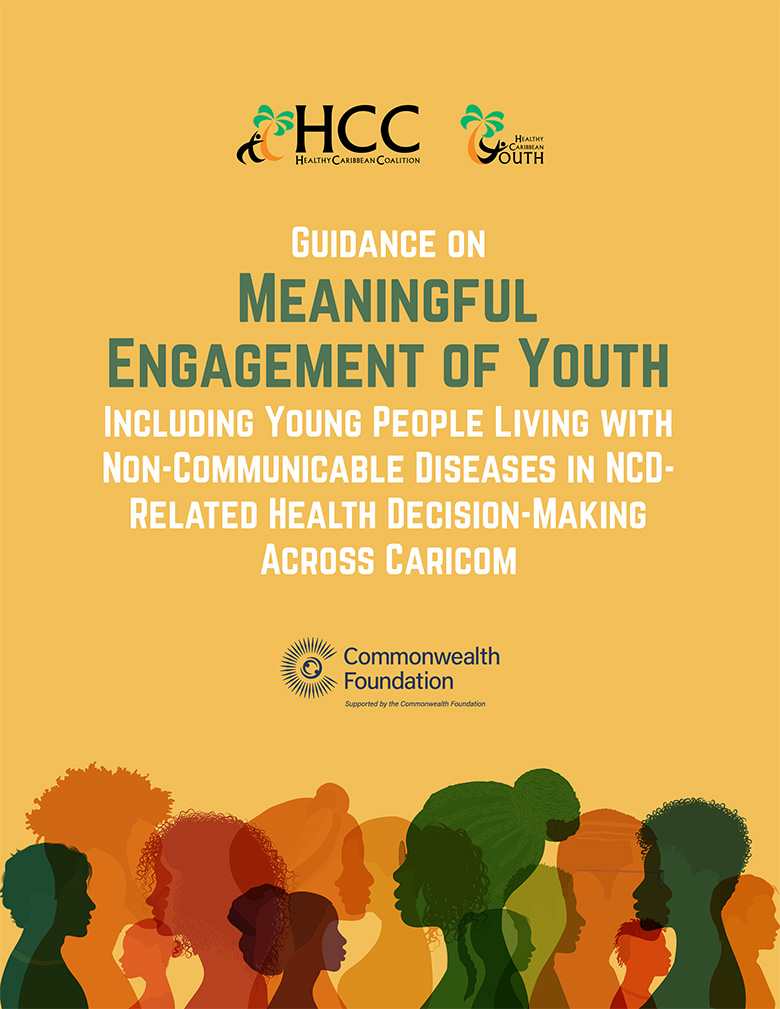
Endorse the Guidance Note and Join the Movement for Meaningful Youth Engagement
The Guidance Note for the Meaningful Engagement of Youth, including Young People Living with NCDs in Health Decision-Making was developed through collaboration with youth advocates, young people living with NCDs, civil society organizations, policymakers, and regional partners across the Caribbean.
We invite organizations, networks, institutions, and individuals who share a commitment to meaningful engagement to endorse the Guidance Note and support its use across the region.
By endorsing the Guidance Note, you affirm your support for:
- Meaningful participation of youth and young people living with NCDs in health decision-making
- Inclusive, equitable, and people-centred health governance
- Strengthening opportunities for engagement at local, national, and regional levels
- Building systems that value, support, and act on the contributions of young people
Read/download the press release
2. Building Youth Leadership and Advocacy Capacity
Youth and young people living with NCDs participated in training designed to build their confidence, leadership skills, and capacity to advocate for themselves and the issues they care about while meaningfully participating in health decision-making.
In-person training workshops were held in Barbados and Saint Lucia in April 2026, followed by a virtual regional training workshop in May 2026 that brought together young people from across CARICOM.
Participants strengthened their skills in advocacy, leadership, storytelling, communications, and health policy engagement while building connections with peers and mentors across the region.
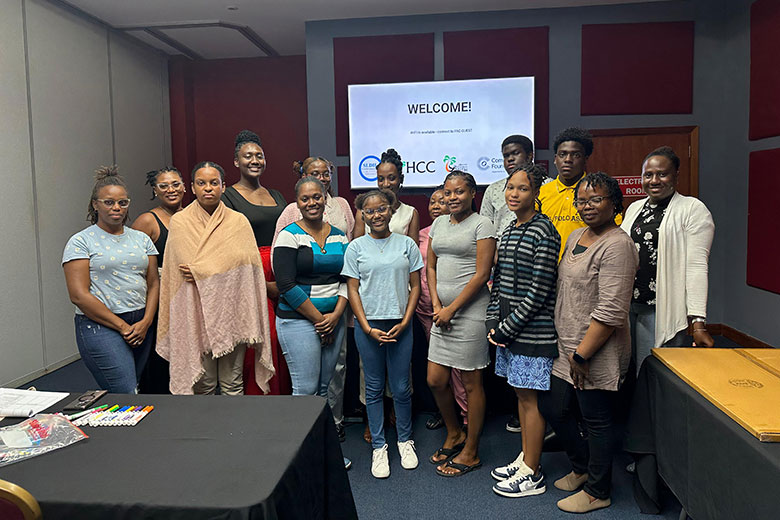
Trainees in St. Lucia – April 10 and 11th 2026
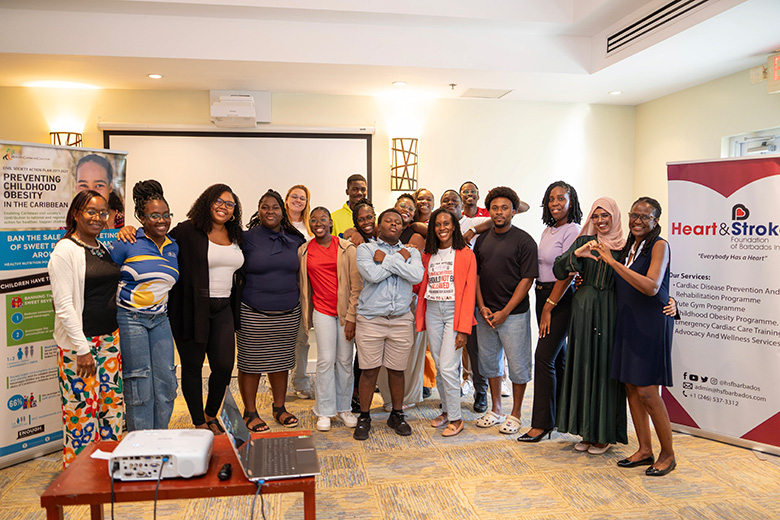
Trainees in Barbados – April 24 and 25th 2026
3. Amplifying Youth Voices Through Advocacy
Meaningful engagement does not end with participation—it requires visibility, influence, and opportunities for action.
The project supports youth-led advocacy by creating platforms and opportunities for young people to share their experiences, influence conversations, and advocate for greater inclusion in health policy and decision-making.
Through storytelling, dialogue, creative expression, and engagement with decision-makers, youth advocates are helping to advance conversations about meaningful participation, health equity, and NCD prevention and control across the Caribbean.
Initiatives include:
- Caribbean Youth Voices: Art for Action
- Digital storytelling and social media advocacy
- Stakeholder engagement and dialogue
- Youth-led advocacy activities
The Commonwealth Foundation is an intergovernmental organisation established by Heads of Government in support of the belief that the Commonwealth is as much an association of peoples as it is of governments.
It is the Commonwealth agency for civil society; a unique, stand-alone organisation established by, funded by, and reporting to governments. The Foundation is dedicated to strengthening people’s participation in all aspects of public dialogue, to act together and learn from each other to build democratic societies
www.commonwealthfoundation.com